Egg, caterpillar, pupa, adult
Every butterfly and moth goes through the same four stages. The caterpillar does the eating; the pupa does the rebuilding.
Every butterfly and moth goes through four stages: egg, caterpillar (larva), pupa (chrysalis) and adult. Britannica: Lepidoptera
Eggs
Some species lay fewer than a hundred eggs, others more than a thousand, usually on or in the right food plant. Britannica: Lepidoptera (natural history, behaviour and ecology) Butterflies have ‘taste buds’ at the end of the tongue, and females taste plants with their feet to check them before laying eggs. American Museum of Natural History: Butterfly FAQ
Caterpillars
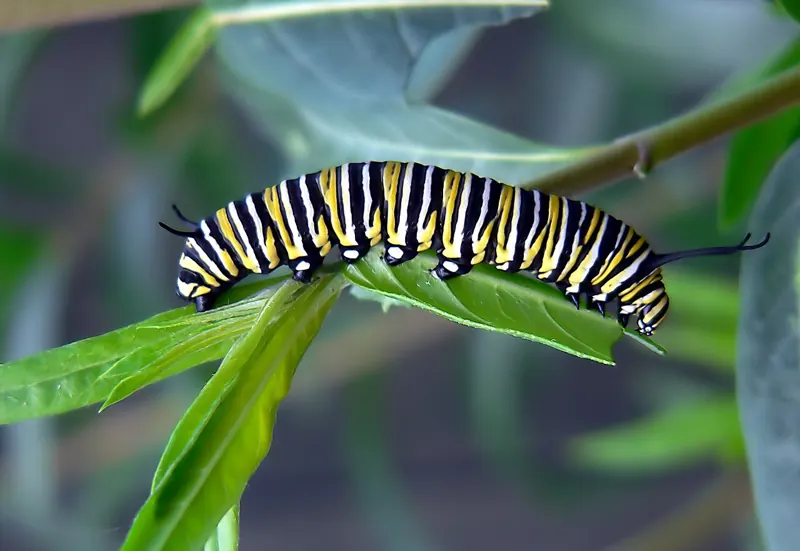
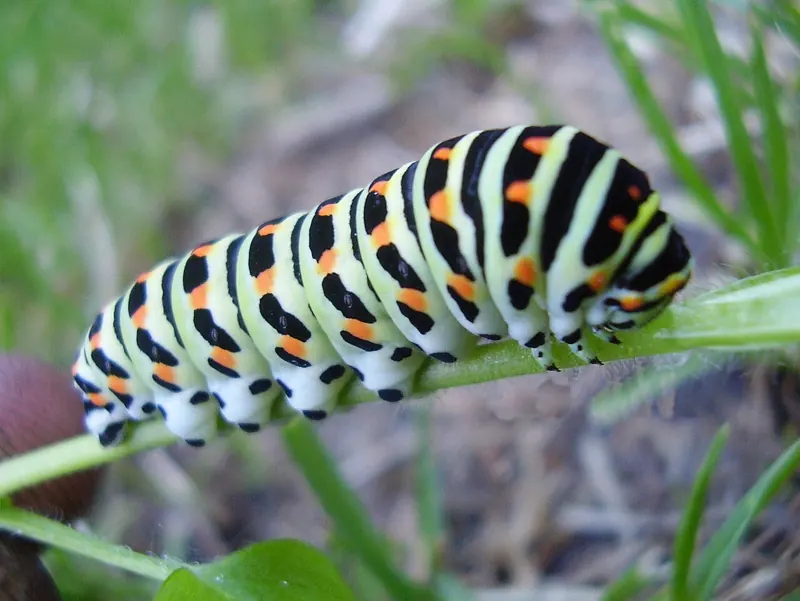
The caterpillar is the main, and often the only, feeding stage. Britannica: Lepidoptera (natural history, behaviour and ecology) Most caterpillars moult (shed their skin) four or five times as they grow. Britannica: Lepidoptera (natural history, behaviour and ecology)
Most caterpillars keep spinning silk threads as they move, which gives them an almost unshakable grip. Britannica: Lepidoptera (natural history, behaviour and ecology) Small caterpillars often drop when disturbed, dangling on a silk thread. Britannica: Lepidoptera (natural history, behaviour and ecology)
Pupa
Inside the pupa the caterpillar’s body is rebuilt into an adult. Britannica: Lepidoptera (natural history, behaviour and ecology) Most butterflies don’t spin cocoons: their own body forms the chrysalis. Many hang head-down from a silk pad. Britannica: Lepidoptera (natural history, behaviour and ecology)
Others, such as swallowtails and some whites and blues, are held head-up by a silk ‘girdle’ round the middle. Britannica: Lepidoptera (natural history, behaviour and ecology) Many moth caterpillars spin silk cocoons to pupate in. Many butterfly pupae are not hidden in cocoons at all. Australian Museum: What are the differences between butterflies and moths?
The pupal stage can last only a week or 10 days in summer, or many months through winter. Britannica: Lepidoptera (natural history, behaviour and ecology)
Wings at last
A newly emerged adult hangs up and pumps fluid into its crumpled wings to open them. It may fly within minutes or need several hours. Britannica: Lepidoptera (natural history, behaviour and ecology) The fastest species develop from egg to adult in about three weeks; the slowest take two or even three years. Britannica: Lepidoptera
Getting through winter
Butterflies that hibernate as adults spend winter hanging still in hollow trees or among dead leaves. Britannica: Lepidoptera (natural history, behaviour and ecology) The Comma’s ragged wing edges hide it among dead leaves while it hibernates, and its caterpillars look like bird droppings. Butterfly Conservation: Comma
On the island you may find Small Tortoiseshells hibernating inside houses, and Clouded Yellows sometimes fly in off the Irish Sea. Manx Wildlife Trust: identification guide to Manx butterflies
The woman who watched it happen
In her day, many people believed insects sprang from mud and rubbish (‘spontaneous generation’). Merian was one of the first to watch and record metamorphosis closely. Natural History Museum, London: Maria Sibylla Merian Maria Sibylla Merian was born in Frankfurt on 2 April 1647. By 13 she was rearing silkworms and recording their life cycle. Natural History Museum, London: Maria Sibylla Merian
More on butterflies and people.
Next: tricks & defences →